
Embarking on a fitness journey can be both exciting and intimidating, especially for beginners. The world of workouts, gym equipment, and fitness routines may seem overwhelming, but the key to success lies in taking the first step and building a foundation. In this essay, we will explore how even beginners can get started with working out, focusing on accessible and practical steps to make the fitness journey both enjoyable and sustainable.
To begin with, it’s essential for beginners to set realistic and achievable goals. Establishing clear objectives helps create a roadmap for progress and provides a sense of direction. Whether the goal is to improve cardiovascular health, build strength, or simply incorporate more physical activity into daily life, having a specific target makes the fitness journey more purposeful. Goals should be SMART—specific, measurable, attainable, relevant, and time-bound. For instance, a beginner might set a goal to walk briskly for 30 minutes five days a week or perform bodyweight exercises three times a week. These goals are clear, measurable, and can be adjusted over time as fitness levels improve.
Once goals are in place, it’s crucial for beginners to start with activities they enjoy. Exercise should not be a chore but rather an opportunity to engage in activities that bring pleasure. Whether it’s dancing, cycling, swimming, or hiking, choosing activities that align with personal interests increases the likelihood of adherence to a workout routine. Trying out different forms of exercise allows beginners to discover what resonates with them, making the fitness journey more enjoyable and sustainable in the long run.
Incorporating exercise into daily life doesn’t always require a gym membership or specialized equipment. Beginners can kickstart their fitness journey with simple yet effective bodyweight exercises that can be done anywhere. Squats, lunges, push-ups, and planks are excellent examples of exercises that engage multiple muscle groups and require no equipment. These foundational movements not only build strength but also serve as a starting point for more advanced workouts. Additionally, activities like brisk walking, jogging, or cycling are accessible to most beginners and can be integrated into daily routines, such as commuting to work or taking the stairs instead of the elevator.
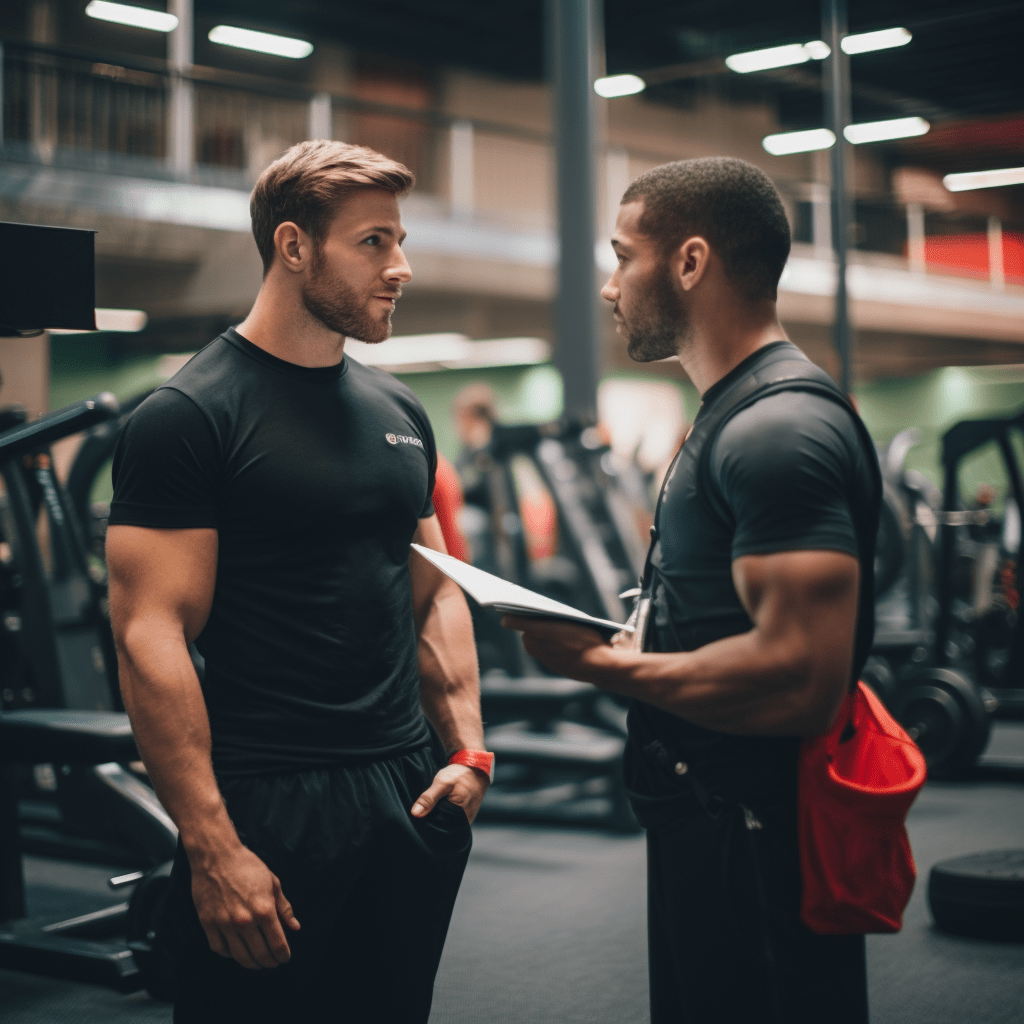
Education plays a crucial role in a beginner’s fitness journey. Understanding the basics of exercise physiology, proper form, and the importance of warming up and cooling down enhances the effectiveness of workouts while minimizing the risk of injury. Online resources, fitness apps, and reputable fitness websites provide valuable information and guided workouts for beginners. Seeking advice from fitness professionals or scheduling a session with a personal trainer can also provide personalized guidance, ensuring that beginners embark on their fitness journey with confidence and knowledge.
Consistency is key in any fitness journey, and establishing a routine helps beginners build healthy habits. Setting aside dedicated time for workouts, whether it’s in the morning, during lunch, or in the evening, creates a sense of structure. Consistency doesn’t necessarily mean lengthy, intense workouts; it could be as simple as committing to a 20-minute workout three times a week. As beginners witness the positive changes in their energy levels, mood, and overall well-being, the motivation to stay consistent naturally grows.
Variety is essential to prevent boredom and plateaus in progress. Beginners can experiment with different forms of exercise to keep things interesting. This could involve alternating between cardiovascular workouts, strength training, and flexibility exercises. Group classes, whether in-person or virtual, offer a social and dynamic aspect to fitness, making it a more enjoyable experience. Trying out new activities not only keeps the body challenged but also introduces variety to the routine, keeping motivation levels high.
Building a support system can significantly impact a beginner’s fitness journey. Engaging in physical activity with friends, family, or colleagues creates a sense of accountability and camaraderie. Sharing goals, progress, and challenges with a supportive network fosters motivation and encouragement. Joining fitness communities, either locally or online, provides opportunities to connect with like-minded individuals, share experiences, and seek advice. Having a support system not only makes the fitness journey more enjoyable but also helps beginners navigate obstacles and stay on track.
It’s important for beginners to listen to their bodies and progress at a pace that feels comfortable. Overexertion and pushing too hard, too soon can lead to burnout and increase the risk of injury. Patience is a virtue in fitness; results may not be immediately visible, but the cumulative impact of consistent effort becomes evident over time. Learning to appreciate the journey, celebrate small victories, and embrace setbacks as opportunities for growth contributes to a positive and sustainable fitness experience.
In conclusion, even beginners can embark on a successful fitness journey by adopting a holistic and practical approach. Setting realistic goals, choosing enjoyable activities, incorporating accessible exercises, educating oneself, maintaining consistency, embracing variety, building a support system, and practicing patience are key elements for success. The journey may have its challenges, but the rewards—both physical and mental—far outweigh the initial uncertainties. By taking that first step and gradually incorporating fitness into daily life, beginners can lay the foundation for a healthier, more active, and fulfilling lifestyle.
 The Kings of E